Preparing Your Home for a Safe Recovery After Surgery
Updated Jul 2026 · 4 min read
The days after surgery are much easier when your home is ready for you. A little preparation before you come home reduces fall risk, saves you painful trips across the house, and lets you focus on healing. Here's a room-by-room guide to setting up a safe recovery space — and where rented equipment fits in.
Start with clear, open pathways
Before anything else, clear the routes you'll use most. Remove clutter, cords, and especially loose rugs, which are one of the most common tripping hazards. Make sure there's enough room to move with a walker, crutches, or a wheelchair — that may mean temporarily shifting furniture to widen a path. Aim for a clear route between your bed, bathroom, and a comfortable sitting area.
Set up a recovery base on one level
Stairs are tiring and risky right after surgery. If you can, create a recovery base on a single level — ideally where a bathroom, a place to rest, and a spot to sit are all within easy reach. If your bedroom is upstairs and that's a problem, consider setting up a temporary sleeping area downstairs for the early part of your recovery. A rented hospital bed or a comfortable setup on the main floor can make this work.
Make the bathroom safer
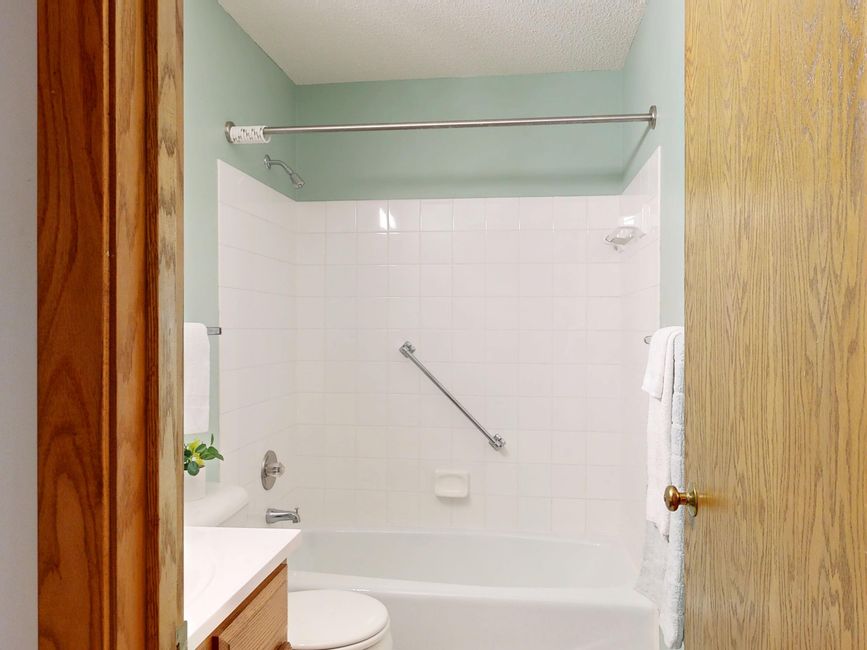
Bathrooms deserve special attention because wet, hard surfaces make falls more likely. Consider these additions, most of which you can rent:
- A raised toilet seat or safety frame so you don't have to lower yourself as far.
- A shower chair so you can sit while washing instead of standing on a slick surface.
- A transfer bench to get in and out of a tub without stepping over the edge.
- Grab bars near the toilet and shower for something sturdy to hold.
These simple changes turn the riskiest room in the house into a manageable one.
Keep daily essentials within reach
After surgery, bending, reaching, and twisting may be limited or painful. Set up the things you'll use often — phone, charger, water, medications, tissues, remote, glasses — within arm's reach of where you'll rest. A reaching tool can help you grab items without straining. The goal is to avoid unnecessary movement while you heal.
Plan for getting around
Think about how you'll move between rooms. Depending on your surgery, that might mean a walker, a rollator with a seat for resting, a knee scooter, or a wheelchair. Arrange the right aid before you come home, and make sure your cleared pathways accommodate it. Have your rental provider fit each item to you and show you how to use it in your actual space.
Improve lighting
Good lighting prevents missteps, especially at night. Add nightlights along the path from your bed to the bathroom, and keep a lamp or light switch within reach of where you sleep. Being able to see clearly on a middle-of-the-night trip reduces the chance of a fall.
Arrange help in advance
Even with a well-prepared home, having someone available in the first days is valuable. Line up a family member, friend, or caregiver to help with meals, reaching things, and getting settled. Discuss with them how your equipment works so they can assist safely.
Have equipment delivered before you return
The ideal setup is to have everything in place the day you come home — not to be arranging deliveries while you're in pain. Schedule your rental delivery for before or on your return day. Ask the provider to set up and adjust each item, and to walk you through safe use while a helper is present.
A quick pre-surgery checklist
- Clear pathways and remove loose rugs.
- Set up a recovery base on one level.
- Add bathroom safety equipment.
- Place daily essentials within reach.
- Arrange the right mobility aid.
- Improve lighting, especially at night.
- Line up help for the first days.
- Schedule equipment delivery for before you're home.
With your home prepared and the right equipment in place, you can return from surgery to a space that supports your recovery — safer, calmer, and ready for healing.